
Ranking modular buildings forces you to answer a question most collectors never ask themselves: what are you actually buying? A display piece? An investment? A building challenge? That distinction changes everything. After twenty-five years of building and sitting through enough secondary-market movements to see patterns repeat, I can tell you that the modulars people think are "best" and the ones that actually belong on a serious shelf are often completely different buildings. The sets themselves don't change, but your reasons for owning them should absolutely shape which ones land in your collection first.
Most guides treat all modulars as interchangeable status pieces, ranking them by price or visual appeal alone. That's backwards. A ranked list means nothing without the context of your display space, your building preferences, and frankly, what you can afford without overextending. Some modulars deliver far more value for the money and longevity than others. Some hold their secondary-market value better. Some are just more satisfying to build and live with afterward. This ranking breaks down where each modular actually stands across those measures, not just how it photographs.
Why Modular Buildings Matter
The LEGO modular building series is the backbone of adult LEGO collecting. What started in 2007 with Cafe Corner has become a nearly two-decade tradition of annual releases, each designed to connect with the others and form a growing street of detailed, displayable architecture.
For collectors, the modular series represents something rare in the LEGO world: consistency. Every January, a new building drops. Every building follows the same baseplate footprint. Every building connects to the one before it. The result, if you've been collecting long enough, is a miniature city block that tells a story about patience and commitment.
For investors, the math is even more compelling. Retired modulars have historically been among the strongest appreciators in the LEGO aftermarket. Sets that retailed for $150-200 routinely sell for $400-800 sealed within two to three years of retirement. A few have crossed the $1,000 mark.
This guide ranks every modular building LEGO has released, from the ones currently on shelves to the retired legends that now command premium prices. We've scored each one across the categories that matter for this series: architectural detail, interior design, minifigure selection, build satisfaction, display presence, and long-term value.
How We Ranked Them
We evaluated each modular across six dimensions:
- Architecture and Facade -- How does the exterior look from the street? Does it have character? Does it use interesting techniques to create texture, depth, and visual interest?
- Interior Detail -- Modulars are built to open. The best ones reward you for looking inside with furnished rooms, hidden details, and functional layouts.
- Build Experience -- Some modulars are meditative. Others are tedious. The best builds keep you engaged across every bag.
- Minifigures -- The characters that populate the street matter. Unique prints, accessories, and personality count.
- Display Impact -- How does it look on the shelf, both alone and alongside other modulars? Does it anchor a street or fade into the background?
- Value and Investment -- Current retail price (if available), aftermarket value (if retired), and our assessment of long-term appreciation potential.
Tier 1: The Best of the Street
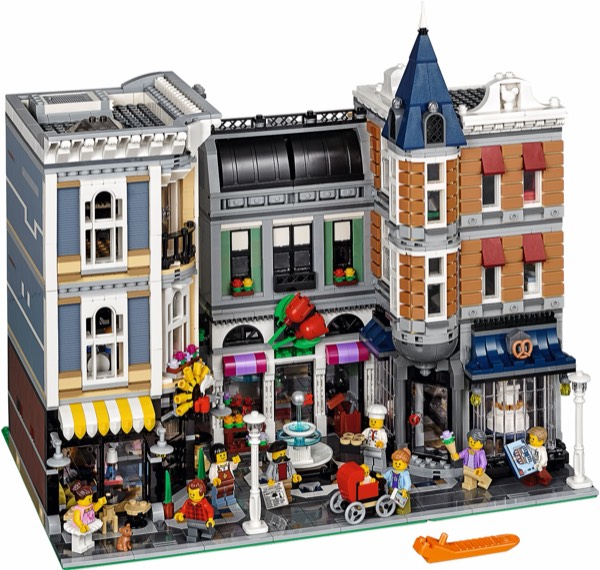
Assembly Square (10255) - The Centerpiece
Released in 2017 to celebrate the modular series' tenth anniversary, Assembly Square remains the gold standard. Three buildings in one: a flower shop, bakery, and dental office on the ground floor, with a music studio, dance school, and photographer's loft above. The rooftop terrace with its tiled pathway is the kind of detail that makes you stop building and just look at it.
At 4,002 pieces, it was the largest modular at release. The facade uses a mix of sand blue, tan, and dark red that photographs beautifully from any angle. Five minifigures populate the ground floor businesses, each with accessories that tell a small story.
Retired. Aftermarket prices have climbed steadily since it left shelves. If you find one sealed at a reasonable price, it's worth serious consideration.
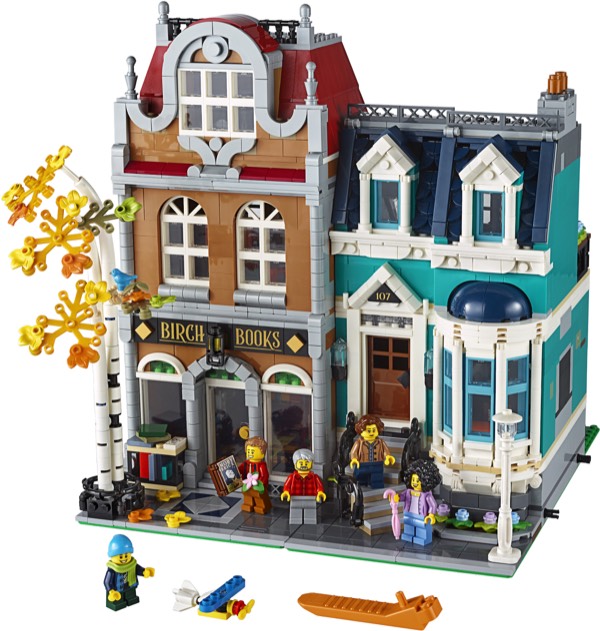
Bookshop (10270) - The Fan Favorite
Two connected buildings: a bookshop and a townhouse. The bookshop interior is packed with printed book tiles, a reading nook, and a second-floor apartment that feels genuinely lived in. The adjacent townhouse has a detailed kitchen and bedroom.
What makes the Bookshop special is how it captures domestic life. Most modulars are commercial spaces. This one has a home attached, and that home has warmth. The dark green facade with gold lettering is one of the most recognizable frontages in the series.
Retired. Appreciation has been strong and consistent.
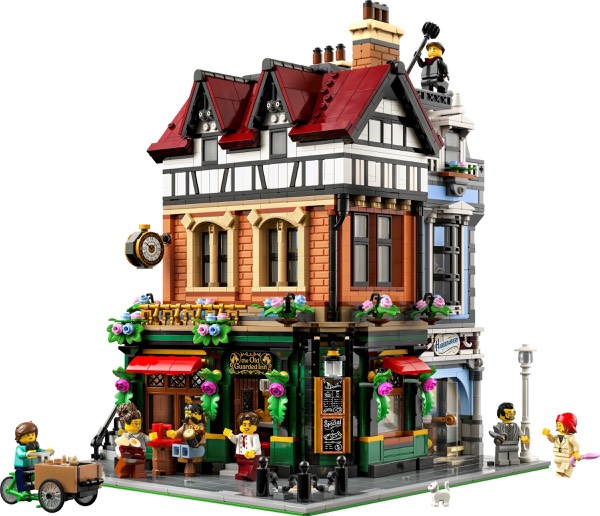
Tudor Corner (10350) - The New Standard
The 2025 release brought Tudor architecture to the modular street and immediately set a new bar for interior detail. Half-timbered facade, exposed wooden beams inside, a fully furnished pub on the ground floor with a fireplace you can practically feel.
The second floor features a tailor's workshop with fabric rolls and a sewing machine. The top floor is a modest living space. Every level rewards exploration. The corner footprint gives it street presence that straight-fronted buildings can't match.
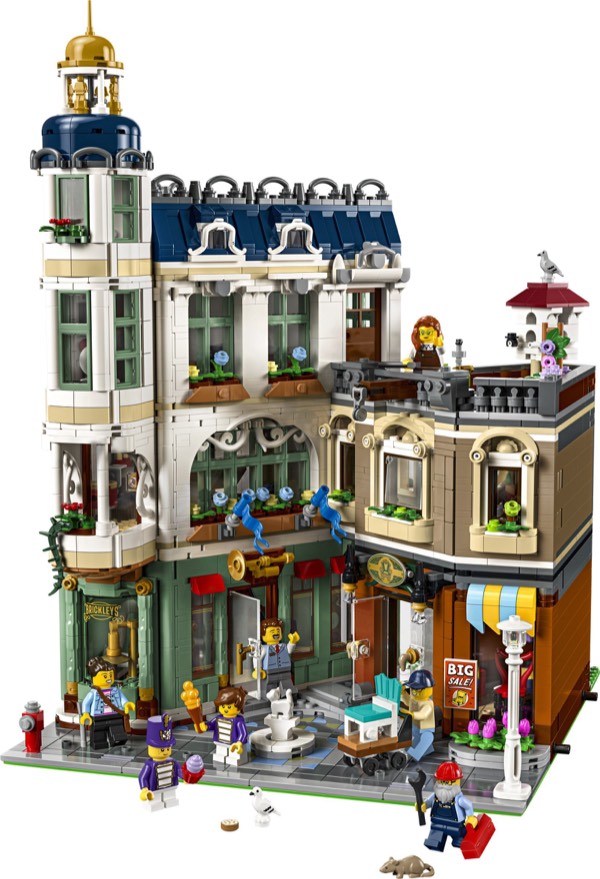
Shopping Street (11371) - The 2026 Entry
The newest modular continues the tradition with a multi-shop facade that adds commercial variety to any street layout. We won't spoil the interior details here, but the ground floor businesses are some of the most creatively furnished we've seen in the series.
Currently available at retail. This is the best time to buy any modular -- before the retirement clock starts ticking.
Tier 2: Excellent Additions
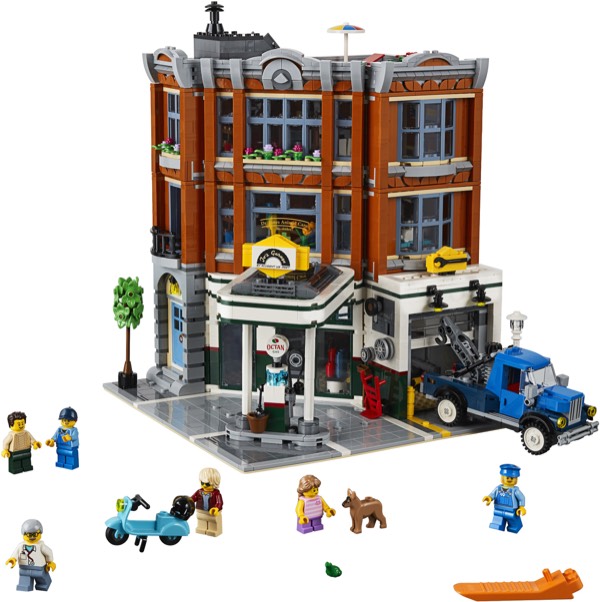
Corner Garage (10264)
A 1950s-inspired service station with a veterinary clinic upstairs. The corner design gives it a prominent street position, and the vintage car out front adds character. The rooftop has a detailed water tower. Interior features include a working car lift mechanism and a vet's office with animal figures.
Retired. One of the stronger performers in the aftermarket, partly because the automotive theme appeals to collectors outside the typical modular audience.
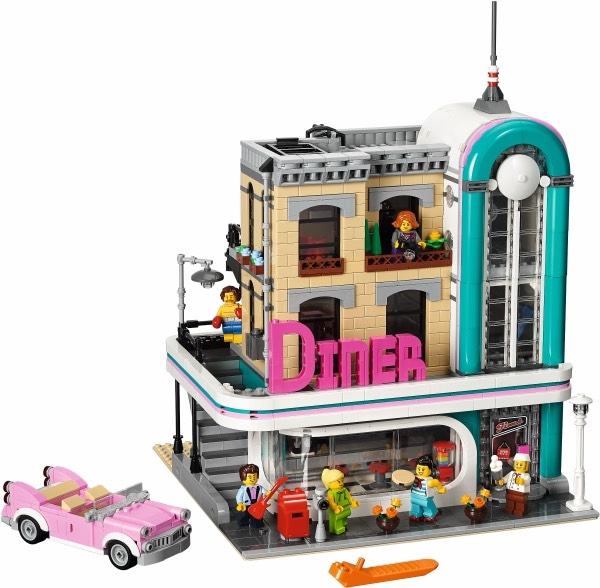
Downtown Diner (10260)
Art deco meets modular. The curved facade, chrome detailing, and pink neon signage make this one of the most visually distinctive buildings in the series. Inside, a 1950s diner on the ground floor with a boxing gym and recording studio above.
Retired. The unique aesthetic makes it difficult to replace with another set, which drives aftermarket demand.
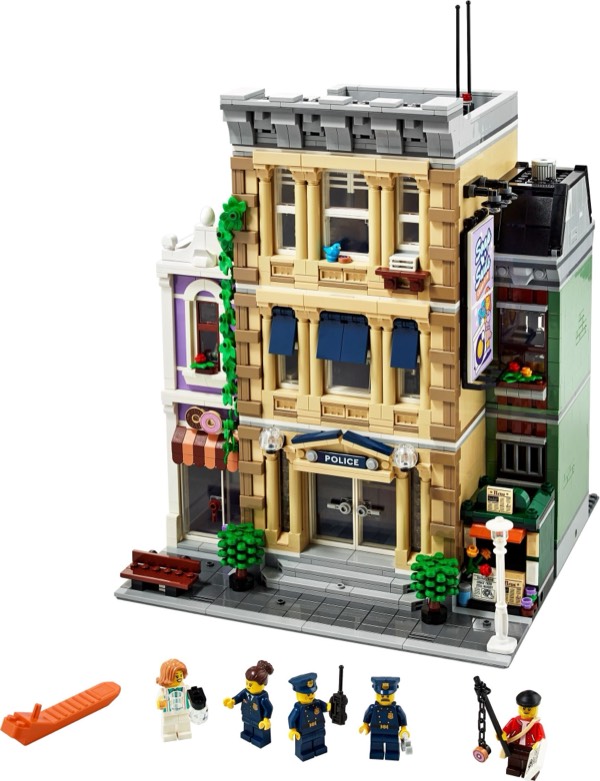
Police Station (10278)
A donut shop that's secretly a front for a police station, complete with a hidden jail cell behind a bookcase. The humor in the design is what sells it. The donut shop facade is charming, and the reveal when you open it up is genuinely fun.
Retired. Solid appreciation. The playful concept appeals to a broad audience.
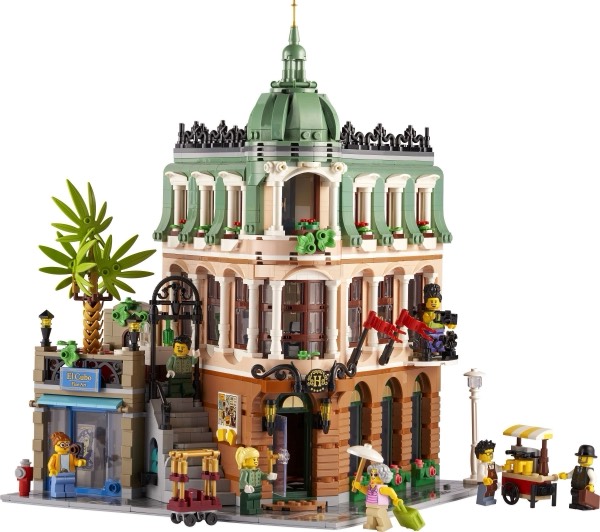
Boutique Hotel (10297)
An art nouveau hotel with a lobby, guest rooms, and a rooftop terrace. The facade uses curved elements and gold accents that give it a distinctly European feel. The lobby chandelier is a standout detail.
Retired. A quieter performer in the aftermarket compared to some others, but architecturally one of the most interesting buildings in the series.
Tier 3: Solid Builds, Some Compromises
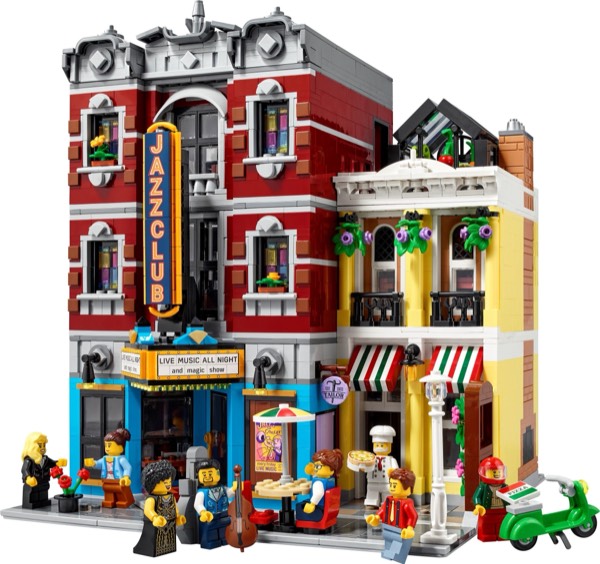
Jazz Club (10312)
A three-story building with a ground-floor jazz venue, a pool hall, and a rooftop stage. The musical theme is well-executed, and the minifigures include a full band. The exterior is relatively conservative compared to some of the more architecturally bold entries.
Available at retail at time of writing. A good entry point for new modular collectors.
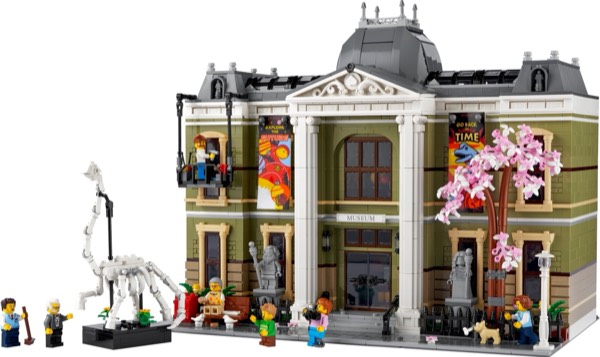
Natural History Museum (10326)
A departure from the typical commercial building format. The museum interior includes dinosaur skeletons, display cases, and a research lab. The institutional architecture is well-done but reads differently on the shelf than a shop or restaurant.
Available at retail. Whether this works for your street depends on whether you want variety in building types or prefer the commercial strip feel.
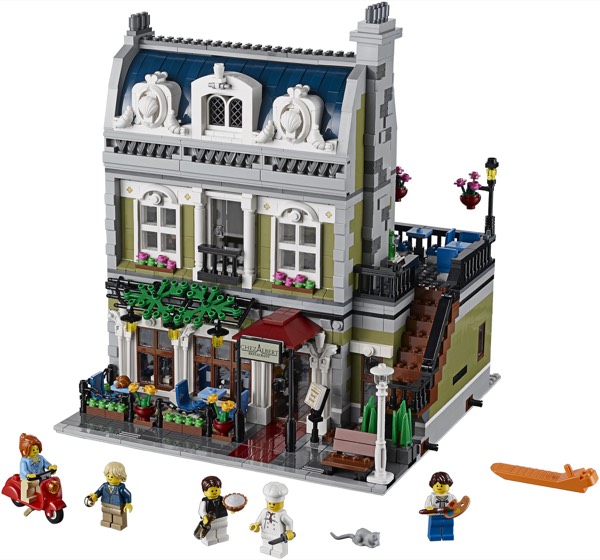
Parisian Restaurant (10243)
One of the earlier modulars that still holds up. The Parisian facade with its wrought-iron balconies and striped awning is instantly recognizable. The interior is divided between the restaurant and an upstairs apartment with a painting studio.
Retired. Strong aftermarket performance driven by the romantic Parisian aesthetic. One of the most photographed modulars.
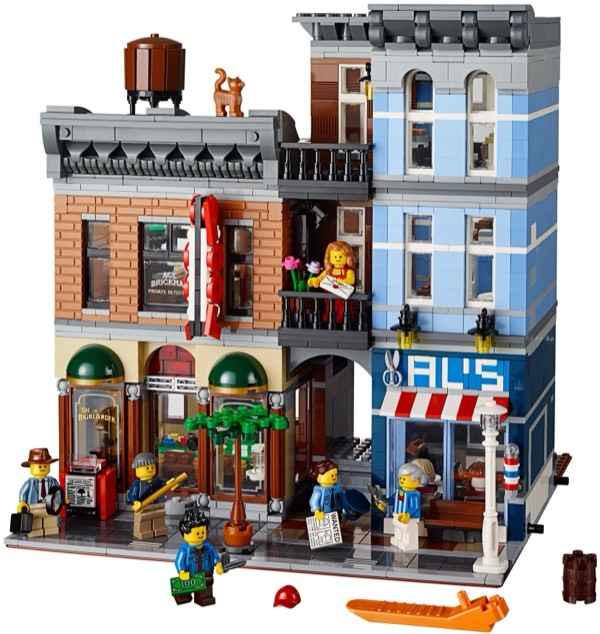
Detective's Office (10246)
A noir-inspired building with a barbershop, pool hall, and detective's office. The interior storytelling is some of the best in the series -- you can piece together a narrative from the clues scattered throughout each floor. The facade is intentionally gritty.
Retired. Highly sought after. The storytelling element gives it lasting appeal that pure architecture doesn't always deliver.
Tier 4: The Retired Legends
These are the early modulars that started it all. Most are prohibitively expensive on the aftermarket now, but they're worth knowing about if you encounter one at a garage sale or estate auction.
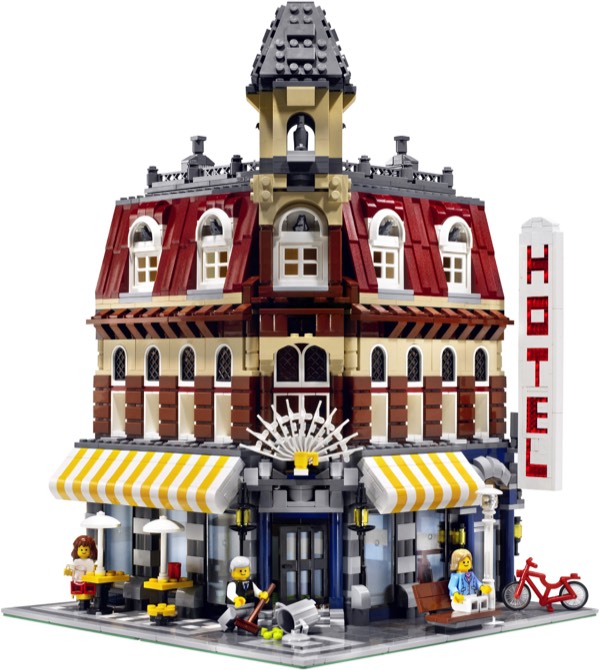
Cafe Corner (10182) - 2007
The one that started everything. A simple three-story corner building with a ground-floor cafe. By modern standards, the build is basic and the interior is sparse. But this is the genesis of the entire modular series, and sealed examples regularly sell for over $3,000. Its value is historical, not architectural.
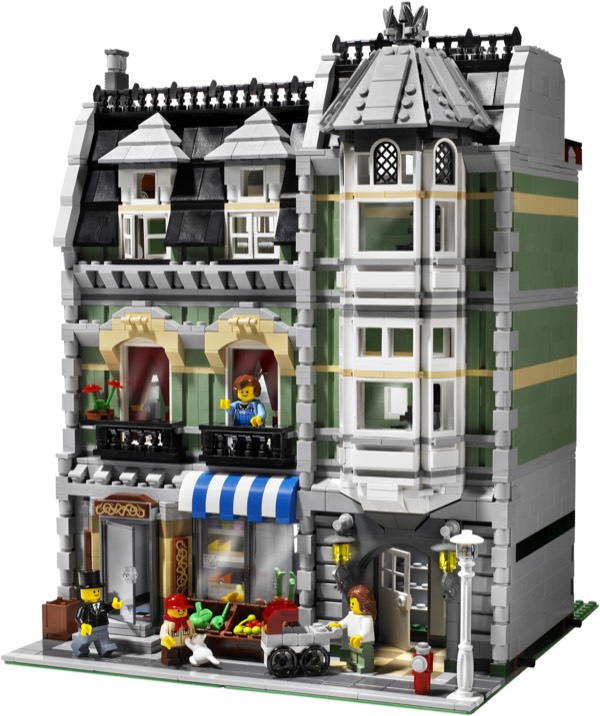
Green Grocer (10185) - 2008
The rarest modular by a significant margin. Sand green elements that were uncommon at the time make this nearly impossible to part together on BrickLink. Sealed sets have sold for over $4,000. The facade is charming but the interior is minimal by today's standards.
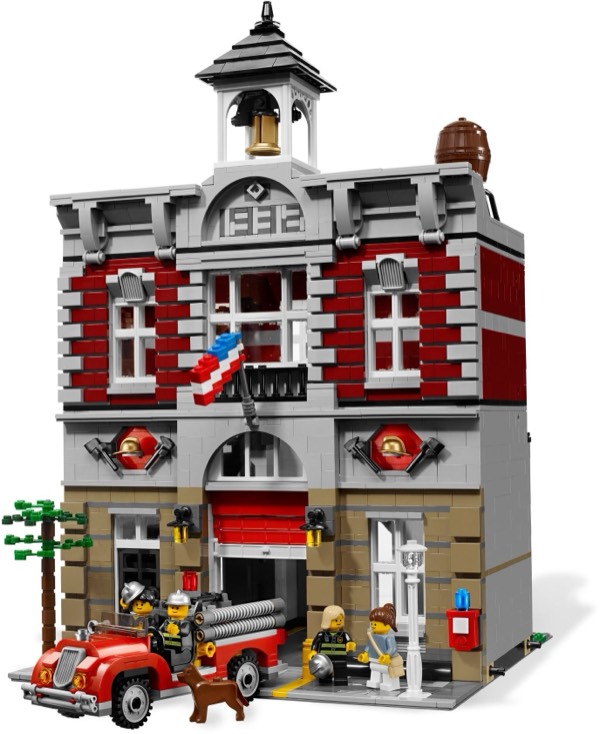
Fire Brigade (10197) - 2009
A fire station with a fully opening facade and a vintage fire truck. The red and white color scheme is striking. One of the first modulars to demonstrate that interiors could be just as important as exteriors.
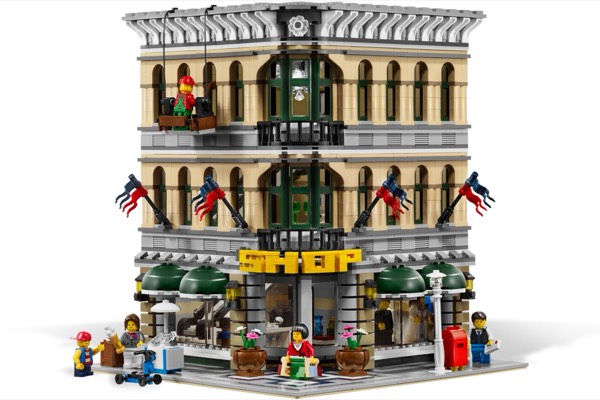
Grand Emporium (10211) - 2010
A department store with four floors of retail. The escalator mechanism was innovative for its time. The tan and dark red facade is classic. Retired, commanding strong aftermarket prices.
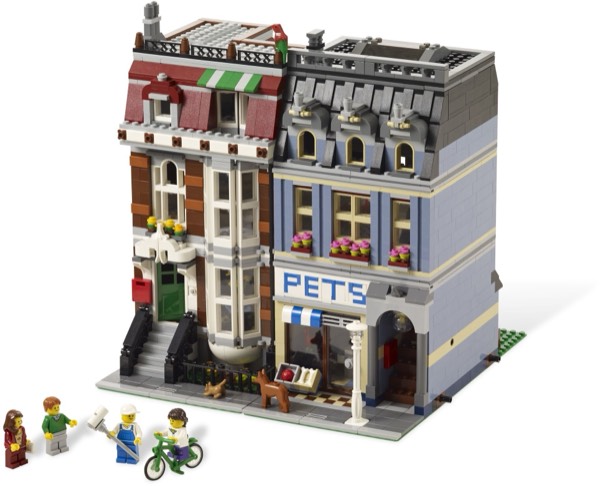
Pet Shop (10218) - 2011
Two connected buildings: a pet shop and a townhouse. The pet shop uses a distinctive green and white color scheme. The townhouse facade with its bay window is one of the most residential-looking modulars. Strong aftermarket performance.
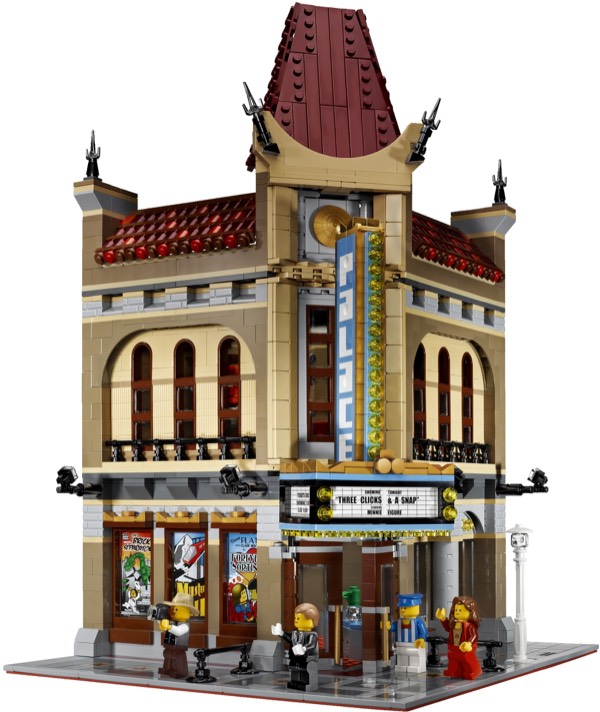
Palace Cinema (10232) - 2013
An art deco cinema with a marquee, ticket booth, and screening room. The facade is one of the tallest and most visually imposing in the series. Inside, the movie poster details and tiered seating show real craftsmanship.
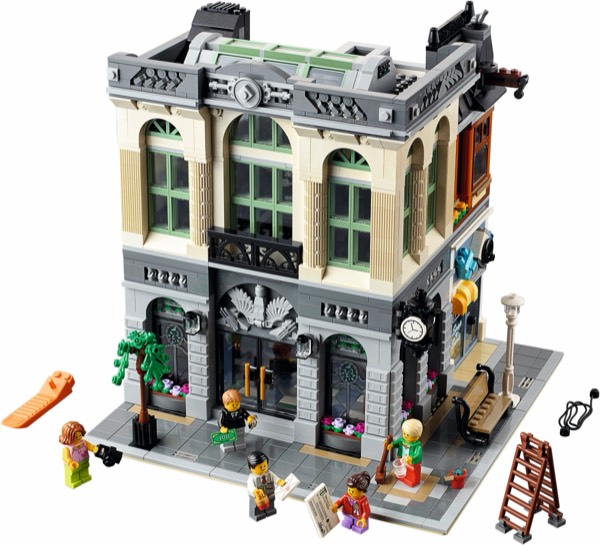
Brick Bank (10251) - 2016
A corner bank with a laundromat next door. The bank interior includes a vault with gold bar elements. The corner position and dark tan color scheme give it strong street presence. The hidden details in the laundromat add narrative depth.
The Investment Case for Modulars
Modular buildings have one of the most predictable appreciation curves in the LEGO aftermarket. The pattern is consistent enough to describe in three phases:
Phase 1: Retail (2-4 years on shelves). The set is available at MSRP. Discounts appear during double VIP point events. This is the buying window.
Phase 2: Retirement bump (0-12 months after retirement). Prices jump 30-60% almost immediately as remaining inventory clears. The market is adjusting to fixed supply.
Phase 3: Steady climb (1-5 years post-retirement). Prices appreciate at roughly 10-20% per year. Sets in the $150-200 retail range typically reach $400-600 within three years. Corner buildings and sets with unique architectural styles tend to outperform.
The strongest performers share common traits: corner footprints (more display presence), unique color schemes (harder to substitute), strong interior detail (builds community attachment), and cultural nostalgia (detective noir, 1950s diner, Parisian cafe).
Track current market values for any modular on GameSetBrick.
Building Your Street: Where to Start
If you're starting a modular collection today, here's our recommended approach:
Budget starting point: Buy the current year's release at retail (Shopping Street, 11371). You're paying MSRP and getting the newest design techniques. Add the previous year's release (Tudor Corner, 10350) if it's still available.
Mid-range expansion: Add Jazz Club (10312) and Natural History Museum (10326) while they're still at retail. These will retire within the next one to two years, and the retail price is always the best price you'll ever get.
Corner anchors: Corner buildings define the street layout. Tudor Corner is your current corner option at retail. If you're willing to go aftermarket, Corner Garage and Assembly Square are worth the premium for the display impact they bring.
Display advice: Modular buildings look best in groups of three or more. A single modular on a shelf looks lonely. Three or more creates a street that draws the eye. Five or more and you've got a city block that stops people in their tracks.
If you want to compare Lumibricks modular alternatives, we've covered those extensively: Lumibricks vs LEGO Modulars.
Sets Leaving Shelves
Several current modulars and modular-adjacent builds are approaching retirement. We track every major set leaving shelves this year on our LEGO Retiring Sets 2026 tracker.
The biggest mistake I see collectors make is chasing the "rarest" modulars as if rarity alone makes a set worth owning. Scarcity and value are not the same thing. A retired modular might have a higher asking price on the secondary market, but that doesn't mean it's a better build, a stronger investment long-term, or a smarter first purchase. Some of the sets people pay premium prices for today are overhyped simply because they're no longer in print, not because they offer anything exceptional once you have them on the shelf. The newer modulars, particularly the last five years of releases, have improved building complexity and detail in ways older sets simply didn't anticipate.
The second mistake is ignoring how modulars interact with each other in a display. Buying one modular in isolation and expecting it to carry visual weight is naive. These sets were designed to form a street together. A single Detective's Office or Pet Shop might feel underwhelming standing alone, but as part of a row it creates something genuinely functional. Your ranking should account for display potential alongside standalone appeal. Some modulars are anchors. Others are connectors. Understanding the difference determines whether your collection becomes a cohesive street or a collection of expensive boxes gathering dust.